

Autumn 2026 Tech Upgrades: What UK Consumers Should Actually Look Out For
Autumn is traditionally one of the busiest periods in the consumer technology calendar. September and October bring new smartphones, computers, televisions and software updates as manufacturers prepare for Christmas and the wider festive shopping season.
For consumers, however, a packed launch calendar can make perfectly good technology suddenly feel outdated. In 2026, many of the most important developments are happening beneath the surface rather than through dramatic redesigns. Artificial intelligence is becoming more integrated into everyday devices, processors are becoming more energy efficient and smart-home products are getting better at working across different platforms.
The question is not simply what is new, but what is actually worth paying for.
Smartphones Are Becoming More Intelligent
Artificial intelligence has been present in smartphones for years, particularly in photography, voice recognition and battery optimisation. What is changing is how much processing can now take place directly on the device.
Modern processors increasingly include dedicated hardware designed to handle AI workloads locally. This can allow certain tasks to operate more quickly and with less reliance on sending information to remote servers.
For consumers, the useful applications are fairly practical: live translation, transcription, improved photo editing, smarter search and more sophisticated ways of organising information.
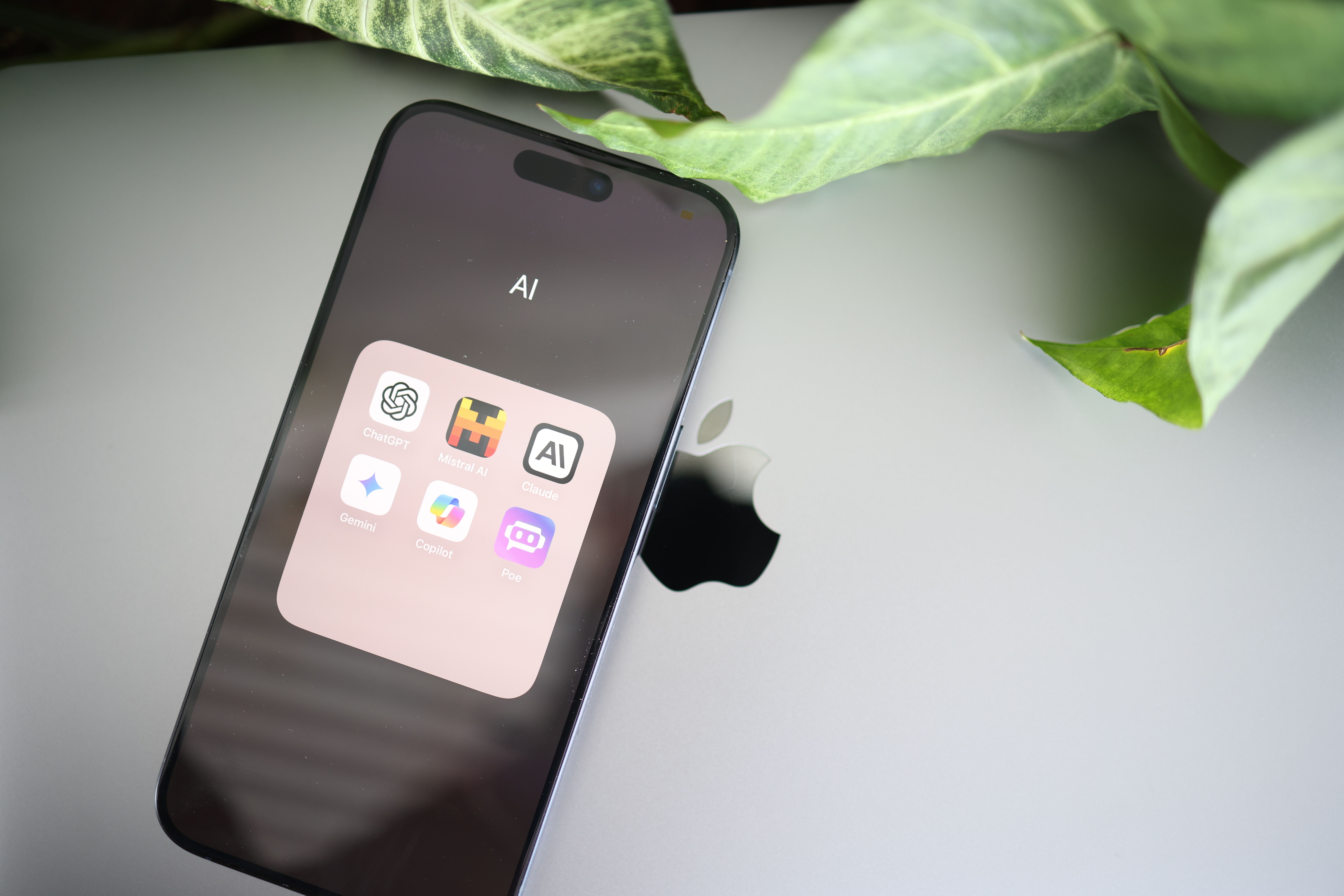
It is part of a wider shift in how we interact with technology. As The Daily Reviews has previously explored in its look at AI in everyday life, artificial intelligence is increasingly becoming something that works quietly in the background rather than a standalone tool.
That does not necessarily make a new phone essential. Battery condition, software support and camera performance are much better indicators of whether it is time to upgrade.
UK consumers should also pay particular attention to security support. Under the UK's consumer connectable product security rules, manufacturers selling relevant connected products must provide information about the minimum period for which security updates will be supplied. GOV.UK explains the current consumer product security requirements.
A cheaper phone with several years of guaranteed updates may therefore offer better long-term value than a more powerful device with limited support.
AI PCs Move Beyond the Marketing
Laptops are undergoing a similar change.
The term "AI PC" has become common across the industry, generally describing computers equipped with a neural processing unit, or NPU, designed to handle certain AI tasks efficiently.
Microsoft's current Copilot+ PC specification, for example, requires an NPU capable of more than 40 trillion operations per second. Windows features using this hardware include live translation, improved search, automatic camera framing and other locally processed AI functions.
For most buyers, though, the biggest reason to pay attention to the latest laptops may be efficiency rather than AI itself.
Improved processors can deliver strong performance without consuming as much power, helping manufacturers build machines with longer battery life and quieter cooling. That matters to commuters, students and people working between home and the office far more than an impressive benchmark score.
Do not let the AI label distract from basic specifications. Memory, storage, screen quality, keyboard comfort and battery performance are still important.
If you plan to keep a laptop for several years, paying slightly more for sufficient RAM and storage can also prevent the machine becoming restrictive as applications become more demanding.
The Smart Home Is Becoming Less Fragmented
Smart-home technology has historically suffered from one major problem: different brands do not always communicate particularly well with one another.
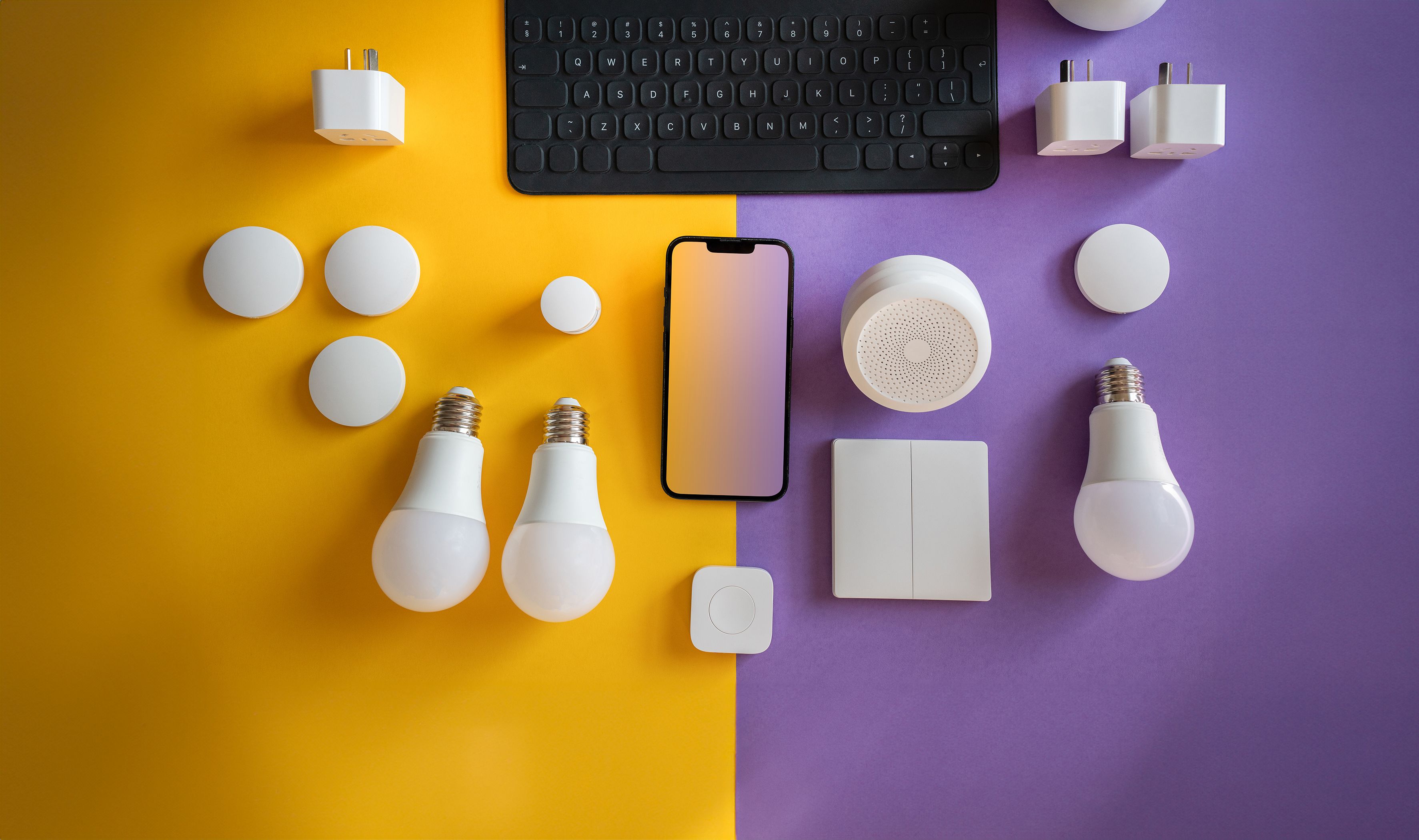
That situation is gradually improving thanks to Matter, the smart-home standard backed by many of the industry's largest technology companies.
The Connectivity Standards Alliance released Matter 1.6 in June 2026, introducing improvements to device setup and the way different smart-home ecosystems can coordinate with compatible products.
For someone gradually adding lights, plugs, sensors, heating controls or other connected devices to their home, compatibility is worth checking before purchase.
Choosing products built around widely supported standards can give you more flexibility later instead of locking your entire home into one manufacturer's ecosystem.
Security matters here too. The UK's product security rules cover many internet-connected consumer products, including smart TVs, speakers, cameras and home automation equipment, and include requirements around passwords, vulnerability reporting and security update information.
Televisions Still Have Room to Improve
Televisions may not attract the same launch-day attention as smartphones, but display technology continues to improve.
OLED and mini-LED televisions have become increasingly competitive, with manufacturers concentrating on brightness, contrast, gaming performance and energy efficiency.
The important question is whether you will actually notice the difference.
Someone upgrading from an older LCD television may see a considerable improvement in picture quality. Replacing a relatively recent premium OLED simply because a newer generation has appeared is much harder to justify.
Consider the room as well as the specification sheet. A very bright television may suit a sunny living room, while strong black levels and contrast could matter more to somebody mainly watching films at night.
How to Decide Whether an Upgrade Is Worth It
Before buying anything this autumn, identify what is actually wrong with the technology you already own.
A few simple questions can prevent an expensive impulse purchase:
- Is the battery noticeably deteriorating? Battery replacement could be considerably cheaper than replacing the entire device.
- Is the device still receiving security updates? Long-term software support should now be a major part of any buying decision.
- Will the new feature genuinely change how you use it? A feature demonstrated during a keynote may have little relevance to everyday use.
- Have independent reviews been published? Real-world battery, heat and performance testing is more valuable than manufacturer claims.
- What is your current device worth? Trade-in and resale values can substantially reduce the real cost of upgrading.
- Can it be repaired? Availability of replacement batteries, screens and other parts can dramatically extend a product's useful lifespan.
Buy for the Next Few Years, Not the Next Few Months
The most useful technology upgrades of autumn 2026 are unlikely to be defined by one spectacular new gadget.
Instead, devices are gradually becoming more efficient, more capable of processing AI locally and better at communicating with the technology around them.
Those improvements can make an upgrade worthwhile, but only when they solve a problem you actually have.
Waiting for independent reviews, checking software support and thinking about how long you intend to keep a device will usually lead to a better purchase than ordering something simply because it has just been announced.
The smartest technology purchase this autumn may ultimately be knowing when not to upgrade.









.svg)