

Energy bills have risen again for millions of households across England, Scotland and Wales. From 1 July to 30 September 2026, Ofgem's energy price cap increased by 13% for a typical household using gas and electricity and paying by direct debit. The headline annual figure is now £1,862.
The price cap is not a limit on the total amount a household can be charged. Instead, it restricts the unit rates and daily standing charges that suppliers can apply to customers on default tariffs. Your actual bill will still depend on how much energy you use, where you live and how you pay.
Under the current cap, average direct-debit rates are 26.11p per kilowatt hour for electricity and 7.33p for gas. Average daily standing charges are 57.19p for electricity and 29.04p for gas, although regional rates vary.
Households cannot control movements in the wider energy market, but these seven checks can help you understand your bill, identify potential errors and prepare for the colder months ahead.
1. Check which tariff you are on
Start by finding out whether you are on a standard variable tariff or a fixed-rate deal. This information should appear on your latest bill or in your supplier's online account or app.
The price cap applies to default tariffs, including standard variable tariffs. A fixed tariff keeps your unit rates stable for an agreed period. This can provide certainty if prices rise, but it may leave you paying more if prices fall.
When comparing deals, look beyond the estimated annual cost. Check the electricity and gas unit rates, daily standing charges, contract length and any exit fees. Ofgem provides independent guidance on comparing tariffs and switching energy supplier.
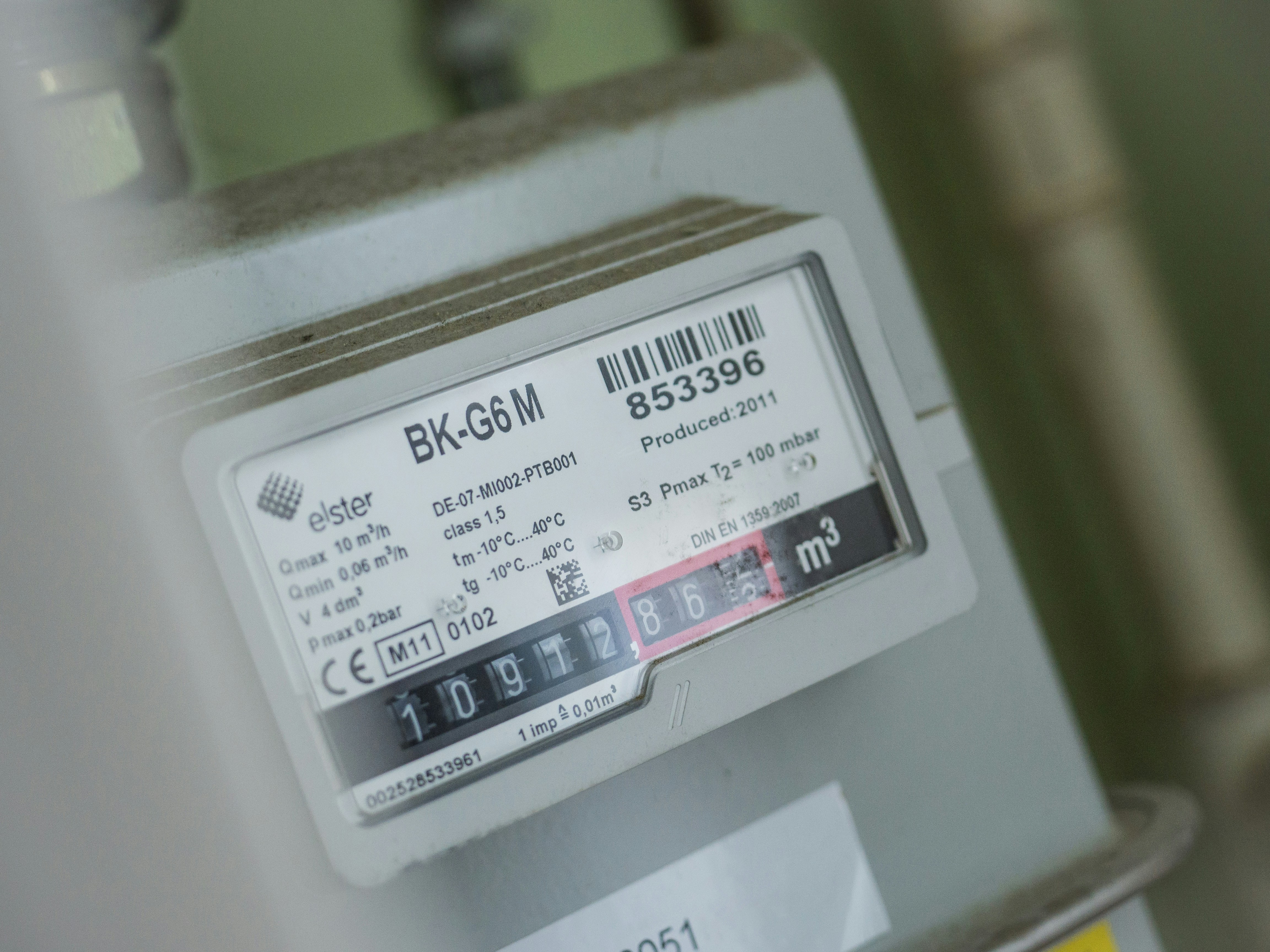
2. Submit an up-to-date meter reading
An unexpectedly high bill may be based on estimated energy use rather than an accurate meter reading. Compare the reading shown on your bill with the numbers displayed on your gas and electricity meters.
If there is a significant difference, send your supplier a new reading and ask it to issue an updated bill. Citizens Advice explains what to do if you think you have been charged too much. Take a clear photograph of each meter whenever you submit a reading, giving you a dated record if you need to challenge a bill later.
3. Review your direct debit
Energy suppliers commonly use fixed monthly direct debits to spread expected annual costs across the year. You may build up credit during summer, when energy use is usually lower, before using that balance during the colder months.
If your supplier increases your direct debit, ask it to explain the meter readings used, your estimated annual consumption, your account balance and how the new monthly payment was calculated. You can challenge an increase you believe is unreasonable.
You can also ask for excess account credit to be refunded. However, it may be sensible to retain enough to cover your likely winter consumption.

4. Compare fixed tariffs carefully
A fixed tariff may appear attractive after a price increase, but fixing is not automatically the cheapest option. Use your own annual consumption figures when comparing deals rather than relying solely on an example based on a typical household.
Pay particular attention to exit fees. A tariff that appears competitive now could become less attractive if prices fall and you have to pay to leave the agreement. Also check whether the deal requires a smart meter, paperless billing or payment by direct debit.
Ofgem reviews the price cap every three months. The rates covering 1 October to 31 December 2026 are due to be announced by 26 August 2026, so consider the length of any fixed deal before committing.
5. Identify what is using the most energy
It can be tempting to focus on lights and phone chargers, but appliances that heat water or air are often among the biggest electricity users. According to the Energy Saving Trust, washing machines, dishwashers and tumble dryers account for around 14% of a typical household energy bill.
Practical changes: wash clothes at a lower temperature where suitable; wait until the dishwasher is full; use a washing line instead of a tumble dryer; boil only the water you need; switch appliances off rather than leaving them on standby; and use eco settings where available.
The Energy Saving Trust also offers quick tips for reducing energy use at home, including reducing tumble-dryer use, draught-proofing and improving hot-water-cylinder insulation.

6. Prepare your home before autumn
Summer is a useful time to address draughts, insulation and heating controls before temperatures begin to fall. Check around windows, exterior doors, letterboxes and unused chimneys for obvious draughts. You may also want to bleed radiators, review your heating timer and check whether your hot-water cylinder is properly insulated.
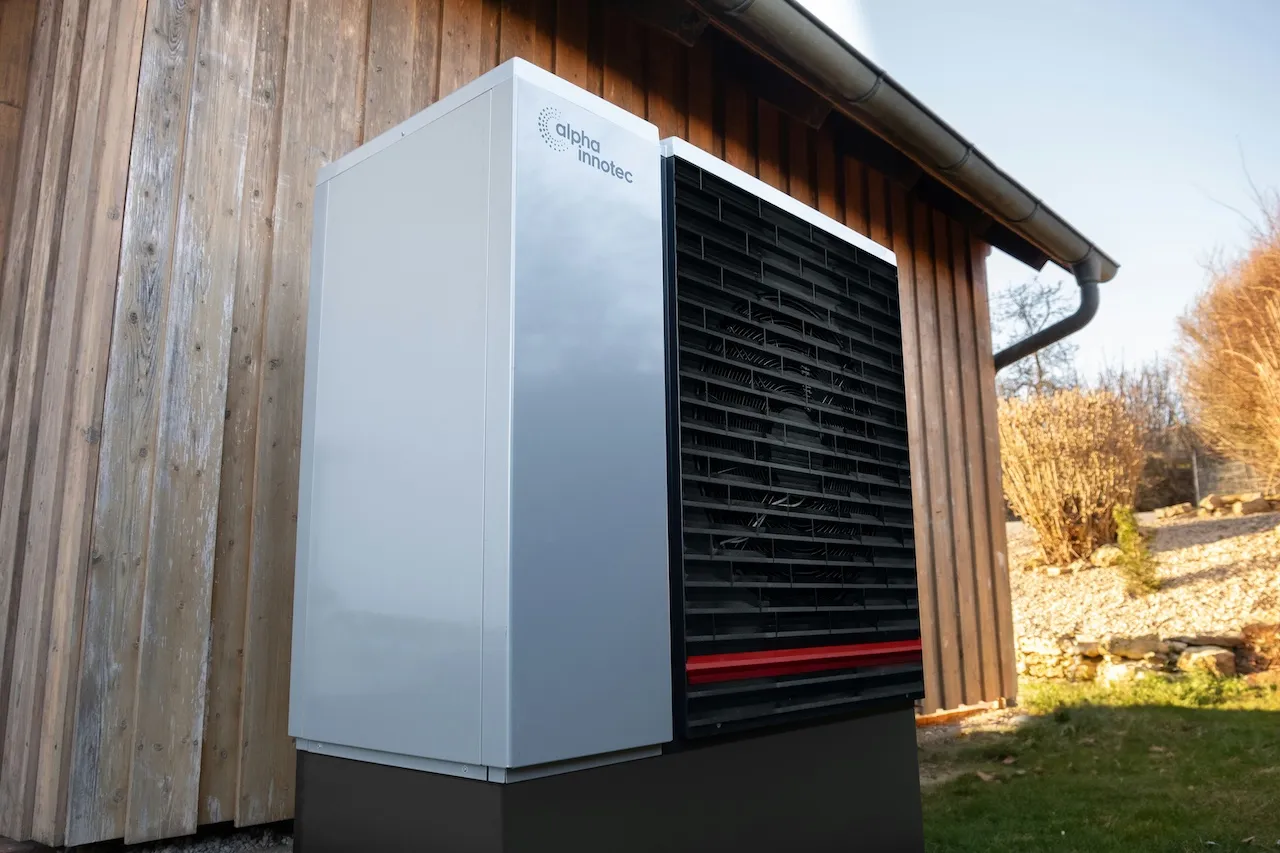
Homeowners considering a longer-term change may want to explore whether a low-carbon heating system could suit their property. Daily Reviews' guide to why UK homeowners are making the switch to heat pumps explains how the technology works, its potential benefits and the factors to consider before installation.
Heat pumps may not be suitable for every household. Property insulation, available outdoor space, installation costs and the existing heating system should all be assessed before making a decision.
7. Ask for help before falling behind
Contact your supplier as soon as possible if you are struggling to pay your energy bills. Waiting until the debt has increased can make the situation more difficult to resolve.
Your supplier must help you work towards a solution and take account of what you can afford when agreeing a repayment plan. Citizens Advice provides independent information for households that are behind with their energy bills.
The Government's Warm Home Discount Scheme is due to reopen in October 2026. Eligible households can receive a one-off £150 discount on their electricity bill.

Small checks can prevent expensive surprises
You cannot control changes in the wider energy market, but you can make sure your bill is based on accurate information and that your tariff still suits your household.
Start by checking your meter readings, account balance, direct debit and current unit rates. You can then compare available tariffs and identify realistic ways to reduce unnecessary energy use.
The information in this article relates to households in England, Scotland and Wales. Northern Ireland has a separate energy market and regulatory system.
A few minutes spent reviewing your energy account now could help you avoid inaccurate bills and prepare for higher consumption during autumn and winter.









.svg)